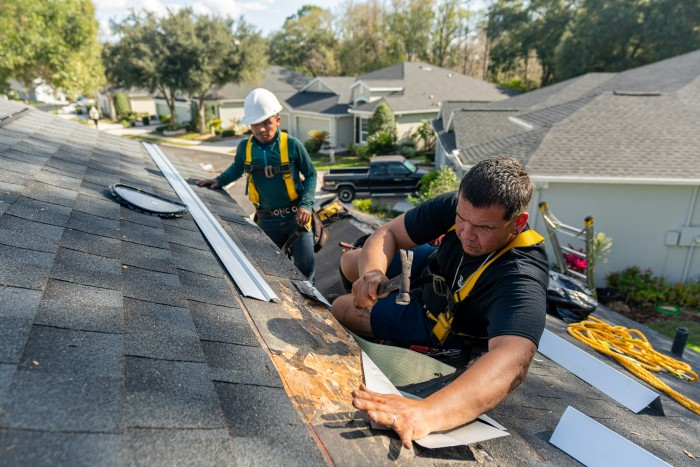
Not sure whether your roof needs repairs or roof replacement services? Learn the warning signs, understand when repairs are enough, and discover when a complete roof replacement makes more sense.
How to Tell Whether Your Roof Needs Repairs or a Complete Replacement
Your roof works hard every day, but it rarely gets much attention until something goes wrong. If you've noticed missing shingles, a water stain on the ceiling, or signs of wear after a storm, you may be wondering whether roof replacement services are necessary or if a repair will do the job.
The answer isn't always straightforward. Some roofing issues are easy to fix, while others point to deeper problems that repairs alone won't solve. Knowing the difference can help you make a confident decision before minor damage turns into something more serious.
Why the Right Decision Matters
Many homeowners naturally hope a repair will solve the problem. After all, if the damage looks small, replacing the entire roof can seem unnecessary. However, appearances don't always tell the full story.
For example, a few damaged shingles may be the only visible issue, but moisture could already be affecting the layers underneath. On the other hand, a small leak caused by worn flashing might be resolved with a straightforward repair. That's why understanding the overall condition of your roof is far more important than focusing on one visible problem.
If you're unsure where to start, arranging a professional inspection is often the first step. An experienced roofing specialist can assess the condition of your roof and explain whether repairs are likely to provide a lasting solution or whether roof replacement services are the better long-term option.
Signs Your Roof May Only Need Repairs
Not every roofing issue calls for a complete replacement. In many cases, repairing the affected area restores the roof's performance and helps prevent further damage. The key is identifying problems early before they become more widespread.
Damage Is Limited to One Area
If only a small section of the roof has been affected, a targeted repair may be all that's required. This often happens after strong winds loosen a handful of shingles or when a branch damages one part of the roof.
When the surrounding roofing materials remain in good condition, replacing the damaged section can restore protection without unnecessary work elsewhere.
The Leak Has a Clear Source
Seeing water inside your home can be worrying, but it doesn't always mean the roof has reached the end of its life.
Leaks sometimes develop around flashing, roof vents, skylights, or chimney joints where materials naturally experience more movement over time. If the rest of the roof remains structurally sound, repairing the source of the leak may resolve the issue before it spreads.
The Roof Is Otherwise in Good Condition
A roof that has been well maintained over the years often responds well to timely repairs. If there are no widespread signs of deterioration and the damage is isolated, repairing the affected area can help extend the life of the existing roof.
Regular inspections also make it easier to spot small issues before they become larger and more expensive to address.
When Repairs May No Longer Be Enough
Repairs work well for isolated problems, but there comes a point where they become a temporary fix rather than a lasting solution. When multiple issues begin appearing across the roof, replacement is often worth considering.
Damage Is Appearing Across the Roof
Instead of one missing shingle or one small leak, you might notice cracked shingles in several areas, curling edges, or granules collecting in your gutters. These signs suggest the roofing materials are wearing out rather than suffering from one isolated problem.
At this stage, carrying out repeated repairs may only delay the need for a complete roof replacement.
You Are Scheduling Repairs More Often
Think about how often your roof has needed attention over the past few years.
If one repair is followed by another after every heavy storm or changing season, it may indicate that the roofing system is reaching the end of its service life. Constant patchwork can become frustrating because fixing one area doesn't prevent new problems from developing elsewhere.
Water Damage Keeps Returning
One repaired leak shouldn't come back. If new water stains appear in different rooms or damp patches return after previous repairs, moisture may be finding multiple paths beneath the roofing materials.
Recurring leaks often point to broader deterioration that cannot always be solved by repairing one section at a time.
Factors That Help You Make the Right Choice
Every roof tells a different story. Two homes built in the same neighbourhood can require completely different solutions depending on maintenance, weather exposure, and the condition of the roofing materials.
Consider the Overall Condition
It's important to look beyond the obvious damage. A roof with one missing shingle is very different from one where shingles are lifting across several slopes.
A professional inspection evaluates the roofing system as a whole rather than focusing on one visible issue. This provides a clearer picture of whether repairs are practical or whether replacement would offer a more dependable solution.
Think Beyond Today's Problem
Many homeowners focus on fixing the issue they can see, but it's equally important to consider what might happen over the next few years.
If your roof continues to develop new problems despite previous repairs, investing in a residential roof replacement may provide greater peace of mind than arranging another temporary fix.
Choosing the Right Roofing Professional
Deciding between repair and replacement is easier when you have reliable advice based on a thorough inspection. Working with an experienced roofing contractor lexington ky gives homeowners a clearer understanding of their roof's condition and the options available. A professional assessment helps ensure the recommended solution matches the actual condition of the roof rather than relying on guesswork.
How a Professional Roof Inspection Can Save You Time and Stress
Climbing onto a roof to look for damage is never recommended. Even from the ground, it's difficult to tell whether a problem is limited to one area or affecting the roof beneath the surface.
A professional inspection looks beyond missing shingles or visible wear. It considers the condition of the roofing materials, flashing, ventilation, and other components that help protect your home. This complete assessment makes it easier to recommend the most suitable solution instead of relying on assumptions.
Questions Worth Asking During an Inspection
A roof inspection is also an opportunity to better understand the condition of your roof. Asking the right questions can help you feel more confident about the next steps.
Some helpful questions include:
- How extensive is the damage?
- Is the issue limited to one area or found across the roof?
- Would repairs provide a reliable solution?
- Are there signs that the roof is nearing the end of its service life?
- What maintenance can help protect the roof moving forward?
Roof Repair or Roof Replacement: Which Is the Better Long-Term Choice?
There isn't a single answer that works for every home. The right solution depends on the condition of the roof, the extent of the damage, and whether repairs are likely to provide lasting results.
When Repairs Make Sense
Repairs are often the practical choice when the damage is limited and the rest of the roof remains in good condition.
For example, replacing a few shingles, repairing flashing, or addressing a minor leak can restore the roof's performance without replacing the entire system. Acting quickly also helps prevent small problems from becoming more complicated.
When Replacement Becomes the Smarter Option
Sometimes repairing the roof simply delays a larger project. If problems continue to appear despite previous repairs, replacing the roof may offer greater reliability over the years ahead.
A new roofing system also means that all major roofing components work together rather than combining older materials with newly repaired sections. For many homeowners, that consistency provides greater confidence when severe weather arrives.
Simple Ways to Help Your Roof Last Longer
Whether your roof is newly installed or several years old, regular care can help reduce unnecessary wear.
Keep Gutters Clear
Blocked gutters can prevent rainwater from draining properly. Over time, standing water may affect different parts of the roofing system and contribute to avoidable damage.
Checking and cleaning gutters regularly helps water flow away from the roof as intended.
Look for Changes After Severe Weather
Storms, strong winds, and falling branches can damage roofing materials without creating immediate leaks.
After significant weather, it's a good idea to look for obvious signs such as displaced shingles, loose flashing, or debris resting on the roof. Spotting these issues early allows repairs to be arranged before further damage develops.
Don't Ignore Small Warning Signs
Many major roofing problems begin with something that seems minor.
A single missing shingle, a small ceiling stain, or loose flashing may not appear urgent at first. However, delaying repairs can allow moisture to spread into other areas of the roofing system.
Addressing concerns promptly is often the easiest way to help protect your home.
Common Mistakes Homeowners Should Avoid
When roof damage is discovered, it's understandable to want a quick solution. However, rushing the decision can sometimes lead to additional work later.
Choosing Repairs Without Understanding the Cause
Fixing visible damage is important, but it's equally important to understand why it happened.
If the underlying issue isn't identified, the same problem may return even after repairs have been completed.
Waiting Too Long to Arrange an Inspection
Small roofing issues rarely improve on their own.
The longer damage is left untreated, the greater the chance that moisture or weather exposure will affect additional parts of the roofing system. Scheduling an inspection sooner allows problems to be assessed before they become more difficult to address.
Assuming Every Roof Needs Replacing
Some homeowners believe any leak means the roof must be replaced immediately. Others assume every problem can be repaired.
In reality, neither approach is always correct. Every roof should be assessed individually so the recommended solution reflects its actual condition.
Final Thoughts
Deciding between repairs and a replacement isn't always easy, but understanding the condition of your roof makes the choice much clearer. Looking at the extent of the damage, the age of the roof, and whether problems continue to return can help you determine the most practical path forward.
If you're unsure whether repairs are enough or you're considering a complete replacement, speaking with a roofing professional is the best place to start. The team at Crown Roofing can assess your roof and explain the options available based on its current condition. If you'd like expert guidance for your home, Contact us to schedule a consultation and discuss the next steps.
Frequently Asked Questions
How Do I Know If I Need Roof Replacement Services Instead of Repairs?
The answer depends on the overall condition of your roof. If the damage is limited to a small area, repairs may be enough. However, if you have recurring leaks, widespread shingle damage, or signs of ageing across the roof, roof replacement services may provide a more reliable long-term solution.
Can a Small Roof Leak Be Repaired Without Replacing the Entire Roof?
Yes, in many cases a small leak can be repaired if it is caused by a localised issue such as damaged flashing, a few missing shingles, or worn sealant. A professional inspection can help determine whether the problem is isolated or part of a larger roofing issue.
What Are the Signs That a Complete Roof Replacement May Be Necessary?
Some common signs include repeated leaks, cracked or curling shingles across multiple areas, visible wear due to age, and repairs becoming more frequent. These issues may indicate that a complete roof replacement is a more practical option than ongoing repairs.
Is It Better to Repair My Roof After Storm Damage?
It depends on how much damage the storm has caused. Minor damage affecting one section of the roof can often be repaired, while extensive damage across multiple areas may require a more comprehensive solution. A professional inspection is the best way to determine the appropriate course of action.
How Can Regular Roof Inspections Help Homeowners?
Routine roof inspections help identify small issues before they develop into larger problems. They also provide a clear understanding of your roof's condition, making it easier to decide whether maintenance, roof repair services, or replacement is the most suitable option.
Crown Roofing
Roofing experts serving Lexington and Central Kentucky