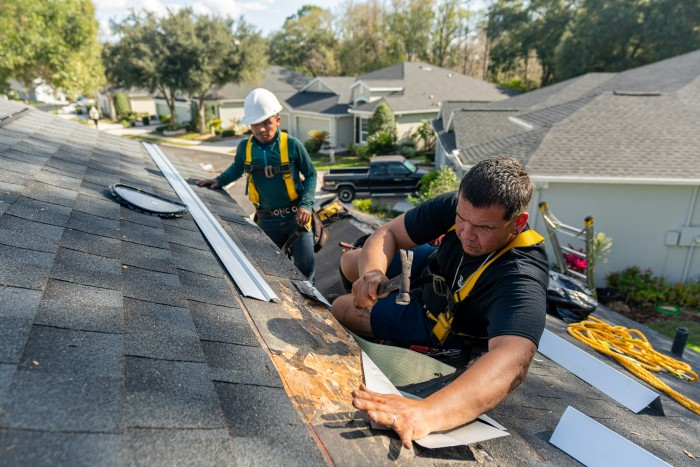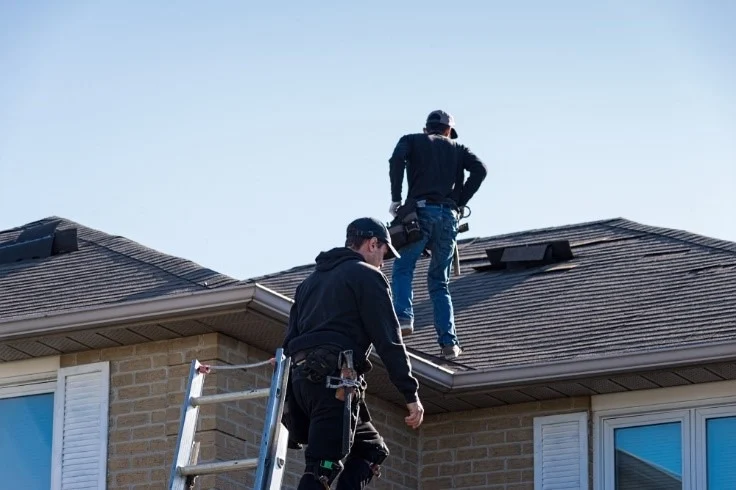
A roof inspection can tell you a lot about what is happening above your home. It can reveal damaged shingles, flashing concerns, storm damage, and other issues that may not be obvious from the ground.
The Connection Between Your Attic and Your Roof
A roof inspection can tell you a lot about what is happening above your home. It can reveal damaged shingles, flashing concerns, storm damage, and other issues that may not be obvious from the ground.
But there is another part of the roof system that deserves attention: the space underneath it.
Your attic plays an important role in how your roof performs. Heat and moisture can build up there, so homeowners often hear about roof ventilation when discussing attic conditions. However, ventilation and roofing condition are not the same thing. One cannot replace the other.
A roof needs to be looked at as a complete system. An inspection can identify roofing problems, while proper ventilation can help manage conditions within the attic. Understanding how these two areas relate can help you make more informed decisions about caring for your roof.
What Roof Ventilation Actually Does
Roof ventilation is designed to allow air to move through the attic space. The purpose is to help manage heat and moisture rather than allowing the attic to remain stagnant.
That may sound simple, but attic conditions can vary from one home to another. The roof design, existing vents, insulation, and other parts of the home all affect how air moves through the space.
This is why you should not assume that adding a vent will automatically solve an attic problem.. Before making changes, you should first understand what is already there.
A professional roof inspection can be a useful starting point. It gives you an opportunity to have the roof examined and discuss concerns that may be connected to moisture, roofing materials, or the attic environment.
Why Moisture Deserves Attention
Moisture is one of the main reasons ventilation becomes part of the roofing conversation.
You may notice condensation, a ceiling stain, or another sign that something is not quite right. it can be tempting to blame ventilation immediately. However, moisture can have more than one possible source.
For example, a roofing problem may allow water to enter from outside. A flashing issue may also contribute to water intrusion. On the other hand, moisture inside the attic may be related to the conditions within the home.
The important thing is to find out what is actually happening before you decide what needs to change.
Why a Roof Inspection Comes First
You may notice a symptom before you understand the cause. A ceiling stain may point to a roofing concern, while moisture in the attic may raise questions about ventilation. In either case, guessing at the cause can make it harder for you to know what needs attention.
This is where roof inspection services become useful. A professional evaluation can provide a closer look at the roofing system and help identify visible concerns that may not be obvious from the ground. Crown Roofing's inspection process includes a thorough evaluation, storm damage assessment, photo documentation, and a detailed written report.
An inspection does not automatically mean that your roof needs a major repair or replacement. Instead, it gives you more information about the roof's current condition so you can make a decision based on what was actually found.
Looking Beyond the Shingles
The shingles are usually the first thing homeowners notice. They are also only one part of the roof.
Underneath the visible roofing materials is the roof deck, which provides the base for the roofing system. Because it is covered, homeowners cannot normally evaluate its condition during a quick look from the ground.
The condition of the roof deck becomes particularly important when roofing materials are removed during replacement. Crown Roofing states that its roof replacement process includes decking inspection and repair when damaged decking is found.
This is a good example of why looking at the roof as a whole matters.
Your roof may appear acceptable from the street while another part of the system needs attention. A proper evaluation can help identify concerns that would otherwise be easy to overlook.
Roof Box Vents: What Homeowners Should Know
Roof box vents are one type of attic ventilation that homeowners may encounter when researching roofing.
They are typically visible on the roof and are designed to allow air to move out of the attic. However, the presence of box vents does not automatically tell you whether your attic has the right ventilation setup.
That question depends on the individual roof and the way its existing components work together.
For this reason, you should be cautious about treating online advice as a one-size-fits-all answer. A roof is part of a specific building, and changes should make sense for that property.
If you are already noticing moisture or roofing concerns, an inspection can help you understand the condition of the roof before you decide whether ventilation changes are necessary.
Ridge Vent vs Box Vent: Which One Is Right?
The ridge vent vs box vent question comes up often when homeowners start researching roof ventilation.
It is easy to turn the discussion into a competition between two products. In reality, the better question is whether the existing ventilation arrangement is suitable for the particular roof.
Your home may have box vents, ridge ventilation, or another setup. What matters is how the roof is currently configured and whether there are signs of a problem.
That is why a professional evaluation is more useful than simply choosing whichever option seems more popular.
A roof inspection can provide information about the roof's physical condition. From there, you can have a more informed conversation about whether your ventilation system needs attention.
What Happens During a Professional Roof Inspection?
A roof inspection should be more than someone looking at the roof for a few minutes and saying everything appears fine.
Crown Roofing states that its inspectors are HAAG Certified and that its inspection service includes complete photo documentation and detailed written reports. The company also describes its evaluations as honest and unbiased.
Documentation can make the inspection easier to understand later.
Instead of trying to remember everything that was discussed, you can review the information provided about your roof . This can help you decide whether a repair is needed and monitor your roof over time.
An inspection is also useful after severe weather. Wind and hail can create damage that is difficult to see from the ground, and Crown Roofing offers storm damage assessments that include inspection and damage documentation.
When Ventilation Is Not the Real Problem
One of the biggest mistakes you can make is assuming that ventilation is responsible for every attic concern.
Suppose you notice moisture in the attic. It would be reasonable to ask whether ventilation is contributing to the issue. However, it would also be important to check the roof itself.
A damaged shingle, flashing problem, or another roofing concern could allow water to enter. In that situation, improving airflow alone would not address the source of the problem.
This is where inspection becomes valuable.
The purpose is not to sell a particular solution. The purpose is to understand the condition of the roof and identify what needs attention.
When Roofing Repairs May Be Part of the Solution
Once an inspection identifies a roofing problem, the next step depends on what was found.
Some issues can be handled through repairs or maintenance. Crown Roofing lists leak detection and repair, shingle replacement, flashing repairs, gutter maintenance, preventive maintenance plans, and emergency repair services among its offerings.
That distinction matters because not every roofing concern calls for a complete replacement.
You may only need a limited repair rather than work affecting the entire roof. Having your roof assessed first helps keep the conversation focused on its actual condition.
If repairs are recommended, choosing an experienced roof repair company gives you a place to start the discussion about what the inspection found and what work may be needed.
Annual Maintenance Can Keep You Informed
Roof care does not have to begin only after a leak appears.
Regular maintenance gives you a chance to keep an eye on your roof's condition. It can also help identify smaller concerns before they become more noticeable.
Crown Roofing offers annual roof maintenance that includes a comprehensive inspection, debris removal, gutter and downspout clearing, flashing and sealant checks, and minor repairs.
This type of maintenance is especially useful if you want to be proactive about your roof rather than waiting for a problem to become obvious.
It also creates a record of what has been checked and what may need attention. Over time, that information can help homeowners better understand changes in their roof's condition.
Why Storms Can Change the Conversation
A roof that looked fine before a storm may not look the same afterward.
Strong wind and hail can affect roofing materials, flashing, and other parts of the roof. Some damage may be easy to see, while other concerns may not be obvious without a closer evaluation.
That is why a roof inspection after a significant storm can be worthwhile, particularly if you notice missing or damaged shingles, leaks, or other changes.
Crown Roofing provides storm damage assessments along with insurance claim documentation, emergency tarping, shingle and flashing repair, and restoration services.
You should not assume that the absence of an indoor leak means your roof escaped damage.
How to Choose a Roof Inspection Contractor
Choosing the right roof inspection contractor is not simply about finding someone who can climb onto the roof.
You want to know who is performing the inspection and how the findings will be communicated afterward.
Credentials are one factor worth checking. Crown Roofing states that it has HAAG Certified inspectors, is a Kentucky licensed contractor, and carries general liability and workers compensation insurance.
Experience can matter as well. The company states that its team has more than a decade of hands-on construction and roofing experience.
Most importantly, you should feel comfortable asking questions. If an inspector identifies a concern, ask what was found, where it is located, and what the recommended next step involves.
Clear communication can make the entire process easier to understand.
What You Should Ask About Ventilation
Generic recommendations may not account for the roof's existing design or condition.
A few simple questions can help you understand the situation better. Ask whether there are visible signs of moisture, whether the existing ventilation appears to be a concern, and whether the roof itself has any damage that needs attention.
If you are considering a change to the ventilation system, ask why the change is being recommended for your specific home.
That question is important because good roofing advice should relate to the property in front of the contractor. Generic recommendations may not account for the roof's existing design or condition.
An inspection gives you a starting point for that conversation.
Inspection, Maintenance, and Ventilation Work Best as a Bigger Picture
There is no single feature that makes a roof perform well.
Roofing materials need to remain in good condition. Flashing needs attention when problems develop. Gutters and downspouts need maintenance. Storm damage should not be ignored. At the same time, attic conditions and ventilation deserve consideration when they become a concern.
These areas are connected, but they are not interchangeable.
A roof inspection helps identify the condition of the roof. Maintenance helps keep track of smaller concerns. Repairs address problems that have already been identified. Ventilation focuses on airflow and moisture management in the attic.
Looking at these pieces together can help you avoid making decisions based on one symptom.
A Better Way to Think About Roof Care
Your roof does not have to be causing a major problem before it deserves attention.
Sometimes the reason for an inspection is a small concern that you would rather understand now than ignore. Other times, it may be storm damage, moisture, or an issue that has gradually become more noticeable.
The key is to avoid guessing.
If you are unsure whether the issue involves ventilation, roofing materials, the roof deck, or another part of the system, start with an evaluation. Once you know what is actually happening, the next decision becomes much easier.
For homeowners in Lexington and Central Kentucky, Crown Roofing provides roof inspections, repairs, maintenance, storm damage assessments, insurance assistance, and roof replacement services. The company identifies itself as a local, family-owned business with Kentucky licensing, HAAG Certified inspectors, and full insurance coverage.
Final Thoughts
Roof ventilation and roof inspections serve different purposes, but they can be considered together when you are trying to understand the condition of your home.
Ventilation relates to airflow and moisture management in the attic. A roof inspection looks more closely at the physical condition of the roofing system. When concerns appear, having both areas considered can help you avoid jumping to conclusions.
You do not need to decide between a repair, replacement, or ventilation change before you understand the problem.
Start with information. Have the roof evaluated, ask questions, and pay attention to what the inspection reveals. That approach can give you a clearer path toward maintaining your home and addressing roofing concerns when they arise.
If you are ready to have your roof evaluated or have questions about an existing concern, Contact us to speak with Crown Roofing.
Frequently Asked Questions
How does a roof inspection relate to roof ventilation?
A roof inspection looks at the condition of the roofing system, while ventilation relates to airflow and moisture management in the attic. Considering both can help homeowners understand different aspects of roof performance.
Can poor ventilation cause roof damage?
Ventilation concerns and roofing damage are not always the same issue. If you notice moisture or another attic concern, a professional evaluation can help determine what is actually happening.
Are roof box vents suitable for every home?
Not necessarily. The right approach depends on the individual roof and its existing ventilation arrangement. Homeowners should have their current setup evaluated before making changes.
What is the difference between a ridge vent and a box vent?
Both are types of roof ventilation, but they are configured differently. The better choice depends on the design and existing conditions of the specific roof rather than a universal rule.
Why should the roof deck be inspected?
The roof deck is located beneath the visible roofing materials, so its condition is not normally obvious from the ground. During roof replacement, the decking can be inspected more closely, and damaged areas may need repair.
When should I schedule a roof inspection?
An inspection can be useful when you notice leaks, damaged shingles, moisture concerns, or possible storm damage. It can also be part of regular roof maintenance.
Does every roof problem require replacement?
No. The appropriate solution depends on the condition of the roof. Some concerns can be addressed through repairs or maintenance, while more extensive conditions may require replacement.
What should I look for in a roof inspection contractor?
Look at the contractor's credentials, experience, inspection process, documentation, and communication. It is also helpful to choose a contractor who can clearly explain what was found and what the next steps may involve.
Crown Roofing
Roofing experts serving Lexington and Central Kentucky