Experience is one of the first things you should check when comparing roofing contractors. A roof may look fine from the ground while still having areas that need attention. A contractor with a solid background in...
Start With the Contractor's Experience
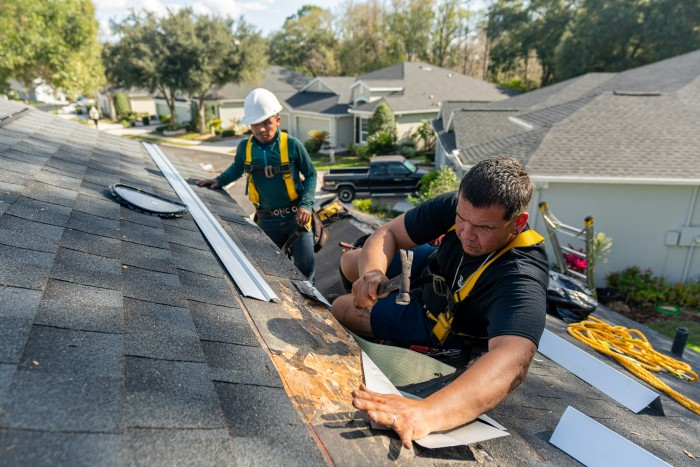
Experience is one of the first things you should check when comparing roofing contractors. A roof may look fine from the ground while still having areas that need attention. A contractor with a solid background in roofing can assess those concerns and explain what they mean.
When you compare contractors, experience should mean more than a number on a website. Look at the services the company provides and how it approaches roofing problems. Does it offer inspections? Can it handle repairs? Does it provide maintenance? How does it deal with storm damage?
These questions give you a better idea of how the company works.
Crown Roofing states that its team has more than a decade of hands-on construction and roofing experience. The company also highlights experience in roofing inspections and insurance-related work. These details can help you decide what level of experience you want from the contractor you hire.
Check Licensing and Insurance
A roofing contractor will be working on your property, so licensing and insurance should never be treated as minor details. Before work begins, ask the company about its credentials and coverage.
Crown Roofing identifies itself as a Kentucky licensed contractor and states that it is fully insured. Its website also lists general liability insurance and workers compensation coverage, with certificates of insurance available upon request.
If you are comparing more than one company, ask each contractor for the same information. This makes it easier to compare them fairly instead of relying on a quick conversation or a sales presentation.
A licensed roofer should also be willing to answer basic questions about its qualifications. You should not feel uncomfortable asking for information that helps you make a responsible decision about your property.
Pay Attention to Roofing Certifications
Certifications can give you another useful point of comparison.. They do not tell you everything about a contractor, but they can show that certain professionals have completed specific training.
Crown Roofing states that its inspectors are HAAG Certified. The company connects this certification with its storm damage assessment and inspection services.
When you come across roofing certifications, look at what they actually relate to. A certification connected to roof inspection or storm damage assessment may be especially relevant if your property has recently experienced severe weather.
Treat certifications as one part of your hiring decision.. Experience, licensing, insurance, service options, and communication should all be considered alongside credentials.
Ask How the Roof Will Be Inspected
An inspection can answer questions that are difficult to settle by simply looking at the roof from the ground. Before choosing a contractor, ask what their inspection process involves.
Crown Roofing describes its roof inspection service as a thorough assessment that includes photo documentation and a written report. The service also covers storm damage assessment and maintenance concerns.
That kind of information can make a roofing conversation much easier. Instead of being told that something needs to be repaired, you can review what was found and discuss the recommendation with the contractor.
A Written Report Can Make Things Clearer
Ask whether the contractor provides documentation after the inspection. Photos and written findings can be helpful when you need to understand the condition of different areas of the roof.
You should also feel comfortable asking questions about anything you do not understand. What caused the concern? Where is the damage? Is a repair recommended? Is there a maintenance issue that should be addressed?
You do not need to know every roofing term before meeting a contractor. A good inspection should leave you with a clearer picture of what is happening.
Look at Repair Services
A roofing concern does not automatically mean that the entire roof needs to be replaced. Depending on the condition of the roof, a repair or maintenance service may be appropriate.
Crown Roofing lists several repair and maintenance services, including leak detection and repair, shingle replacement, flashing repairs, gutter maintenance, preventive maintenance plans, and emergency repair services.
When you speak with a commercial roofing contractor, ask what the inspection found and why a particular repair is being recommended. Understanding the reason behind the work can help you make a more informed choice.
It is also worth asking whether the contractor can explain what should happen after the repair. Your roof may need follow-up attention after a repair, while some concerns may simply require monitoring or maintenance.
Do Not Overlook Maintenance
Roof maintenance can easily be pushed aside when there are no obvious problems. However, regular attention gives you an opportunity to keep track of your roof's condition.
Crown Roofing offers an annual roof maintenance service. According to its website, that service includes an annual inspection, debris removal and cleanup, gutter and downspout clearing, flashing and sealant checks, and minor repairs.
When comparing commercial roofing companies, ask what maintenance services they provide. You should know whether the contractor can help with ongoing roof care or only responds when a problem appears.
Maintenance is also a useful topic to discuss during an inspection. A contractor may identify areas that deserve attention even when there is no active leak or obvious damage.
Understand the Replacement Process
Sometimes a roof has reached a point where repair is no longer the right approach. If replacement is recommended, do not agree to the project without understanding what the work involves.
Crown Roofing describes its roof replacement process as including protection of the property, removal of existing materials, inspection and repair of damaged decking, installation of roofing materials, and cleanup after the work. The company also states that full roof replacements include a 10-year workmanship warranty and the manufacturer material warranty.
These details show why you should ask questions before a replacement begins. Find out what the contractor plans to do, how the existing materials will be handled, and what workmanship coverage comes with the project.
The more clearly the process is explained, the easier it is to know what you are agreeing to.
Consider Storm Damage Experience
Storm damage can make the decision about a roof even more complicated. Hail and wind may cause damage that is not immediately obvious, which is why a closer inspection can be useful after severe weather.
Crown Roofing provides storm damage assessment and lists post-storm inspections, hail and wind damage assessment, insurance claim documentation, emergency tarping, and roof repairs among its services.
If your property has experienced a storm, ask the contractor how the roof will be assessed. Find out whether photographs and written documentation are provided and ask the contractor to explain what was found.
This is also a good time to ask about the inspector's qualifications. A contractor's inspection credentials can be especially relevant when the purpose of the inspection is to identify storm-related damage.
Ask About Insurance Assistance
Roofing work and insurance claims sometimes go hand in hand after storm damage. If an insurance claim is involved, it helps to understand exactly what assistance the roofing company provides.
Crown Roofing states that it assists with the insurance claims process. Its listed services include adjuster meeting coordination, inspections, supplement documentation, insurance estimate review, and settlement-related support.
If you need this type of assistance, ask the contractor to explain their role before you move forward. You should understand what the company will document, what information it will provide, and which decisions remain yours.
Clear expectations can prevent confusion later in the process.
Look Beyond the Sales Conversation
The first conversation with a roofing contractor can tell you a lot. Pay attention to whether the contractor listens to your concerns or immediately pushes you toward a particular solution.
A professional discussion should leave room for questions. You should be able to ask why an inspection is recommended, what a repair would address, or why replacement may be necessary.
Crown Roofing describes its approach as centered on transparency, honest assessments, and personalized service.
Those qualities are worth looking for when comparing contractors. You want information that helps you understand your roof rather than simply being told what decision to make.
Compare Workmanship and Warranty Information
Materials are only one part of a roofing project. Workmanship matters because installation and repair work need to be carried out carefully.
When comparing contractors, ask what workmanship coverage you will receive. Do not rely on a verbal promise alone. Ask for the details so you can understand what is covered.
Crown Roofing states that full roof replacements include a 10-year workmanship warranty. The company also says its replacement service uses top-tier materials and includes post-installation cleanup.
The important thing is to understand the actual terms. A warranty should be something you can review, not simply something mentioned during a sales conversation.
Consider Local Service
Location can also be useful when you compare roofing contractors. Choosing a company that serves your area may make it easier to arrange an inspection, repair, or follow-up service.
Crown Roofing is based in Lexington and states that it serves Lexington and surrounding Central Kentucky communities. If you are searching for a roofing contractor Lexington KY , the company's local service area is another factor to consider alongside its qualifications and roofing services.
However, location should not be the only deciding factor. Experience, licensing, insurance, inspection practices, workmanship, and communication still deserve attention.
Ask Questions Before You Hire
You do not need a long list of complicated questions. A few straightforward questions can tell you a lot about a contractor.
Ask who will inspect the roof and what the inspection includes. Ask whether the company is licensed and insured. Find out what certifications its inspectors hold and whether the inspection comes with written documentation.
If repairs are recommended, ask why they are needed. If replacement is suggested, ask what the process includes and what workmanship coverage applies.
You can also ask about maintenance and storm damage services. The answers will help you understand whether the contractor's services match what your property needs.
Make the Decision Based on the Full Picture
By the time you are ready to choose a commercial roofing contractor, you should have more than a company name and a phone number. You should understand the contractor's experience, credentials, inspection process, available services, and approach to workmanship.
It can be tempting to focus on one factor, especially when a roofing problem needs attention quickly. However, taking a little time to compare the complete picture can lead to a more informed decision.
The contractor should be able to explain the condition of the roof and the reason for the recommended work. If you still have unanswered questions, ask them before the project begins.
Final Thoughts
A roofing decision can have a direct effect on a business property, so choosing the contractor deserves careful thought. Experience and credentials are important, but so are honest inspections, clear explanations, proper insurance, workmanship, and ongoing maintenance.
Whether you are dealing with storm damage, a repair concern, or a possible replacement, start by finding out what the roof actually needs. From there, compare contractors based on the information they provide and the way they approach your concerns.
If you need a professional roof inspection, repair guidance, or help understanding the condition of your roof, Contact us to speak with the Crown Roofing team.
Frequently Asked Questions
What should I look for in a commercial roofing contractor?
Look at experience, licensing, insurance, relevant certifications, inspection practices, workmanship coverage, and communication. It is also important to make sure the contractor offers services that match the roofing needs of your property.
Why should I check whether a roofing contractor is licensed?
Licensing helps you verify that the contractor meets the applicable requirements for working in its area. Crown Roofing identifies itself as a Kentucky licensed contractor on its website.
What roofing certifications should I look for?
The right certification depends on the work being performed. For example, Crown Roofing states that its inspectors are HAAG Certified and connects that certification with its inspection and storm damage assessment services.
Should I get a roof inspection before approving repairs?
An inspection can help you understand what condition the roof is in and why a repair may be recommended. Asking for photographs and written findings can also make the recommendation easier to review.
Crown Roofing
Roofing experts serving Lexington and Central Kentucky